
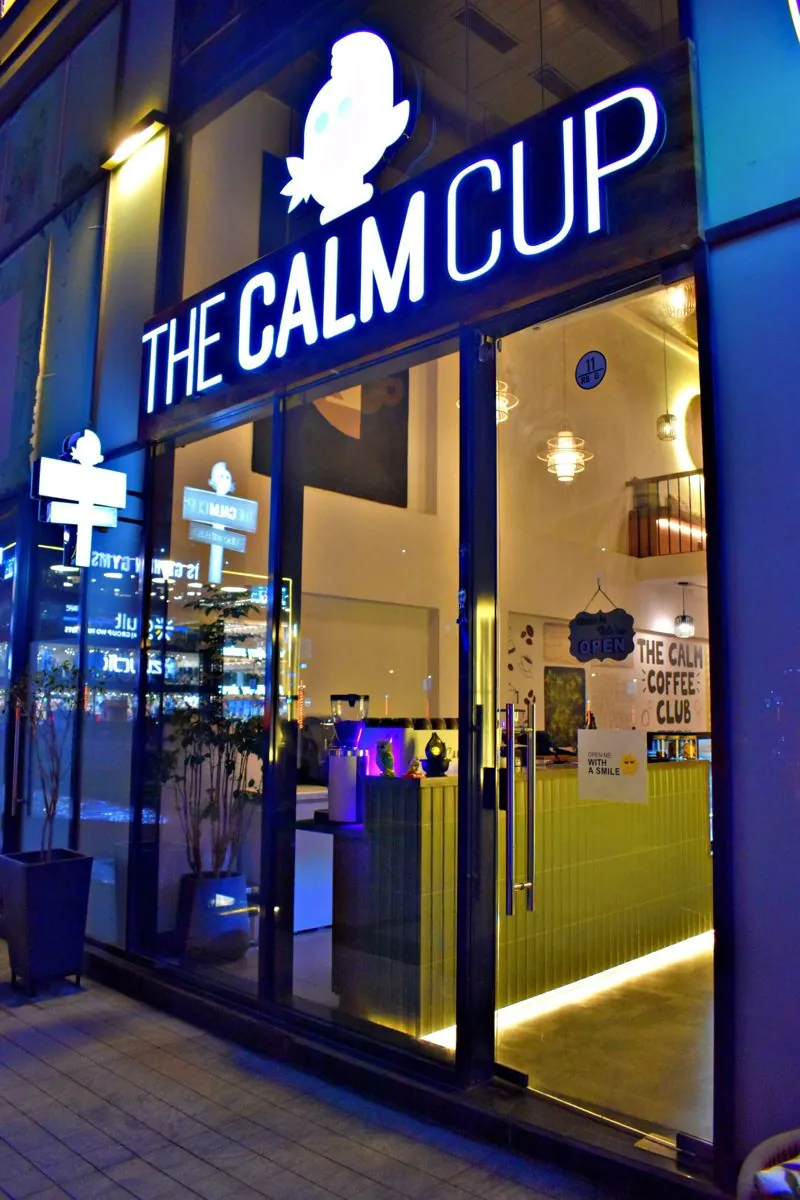
People sometimes ask why The Calm Cup closed when the reviews were so good. The honest answer is one line on our monthly sheet: rent.
The café was working
For twelve months we were open six days a week — closed on Mondays — in Gurgaon. On a typical day we billed around thirty orders in the café and a handful through delivery apps. Guests stayed, came back, brought friends, and left 383 Google reviews averaging 4.9★. Demand was never the problem.
The number that didn't
Our rent took more than half of what the café earned each month. That was before salaries, ingredients, electricity, maintenance and marketing. Delivery commissions and discounts took another slice of whatever was left. No menu, however popular, can carry that. We could have kept going longer, but every busy month would still have ended in the red.
For comparison, most restaurant operators try to keep rent to roughly 15–20% of revenue or less. We were at more than twice that.
How it happened
Looking back, we made a choice many first-time café owners make: we fell in love with the space. It was beautiful — a storefront that glowed at night, room for a reading corner and outdoor tables for sunset. We worked out whether we could pay the rent. We didn't work out what share of our revenue it would take on an ordinary Tuesday.
What we'd tell anyone signing a lease
- Work backwards from revenue. Estimate realistic daily guests and average bill first. Then see what rent that revenue can support — not the other way round.
- Use a pessimistic forecast. If the numbers only work on your best month, they don't work.
- Negotiate everything. Rent-free months for fit-out, yearly escalation, lock-in period and security deposit all change the real cost.
- Consider spaces that don't carry high-street rent. Clubhouses, offices, stores and co-working spaces already have people in them.
What we're doing differently
That last point is our chapter two. Instead of signing another expensive lease, The Calm Cup is coming back inside spaces that already exist — with partners who bring the space while we run the café. Same menu, same feeling, without the rent that closed us.
If you're planning a café of your own, we'd be glad to share what we learned before you sign anything.