
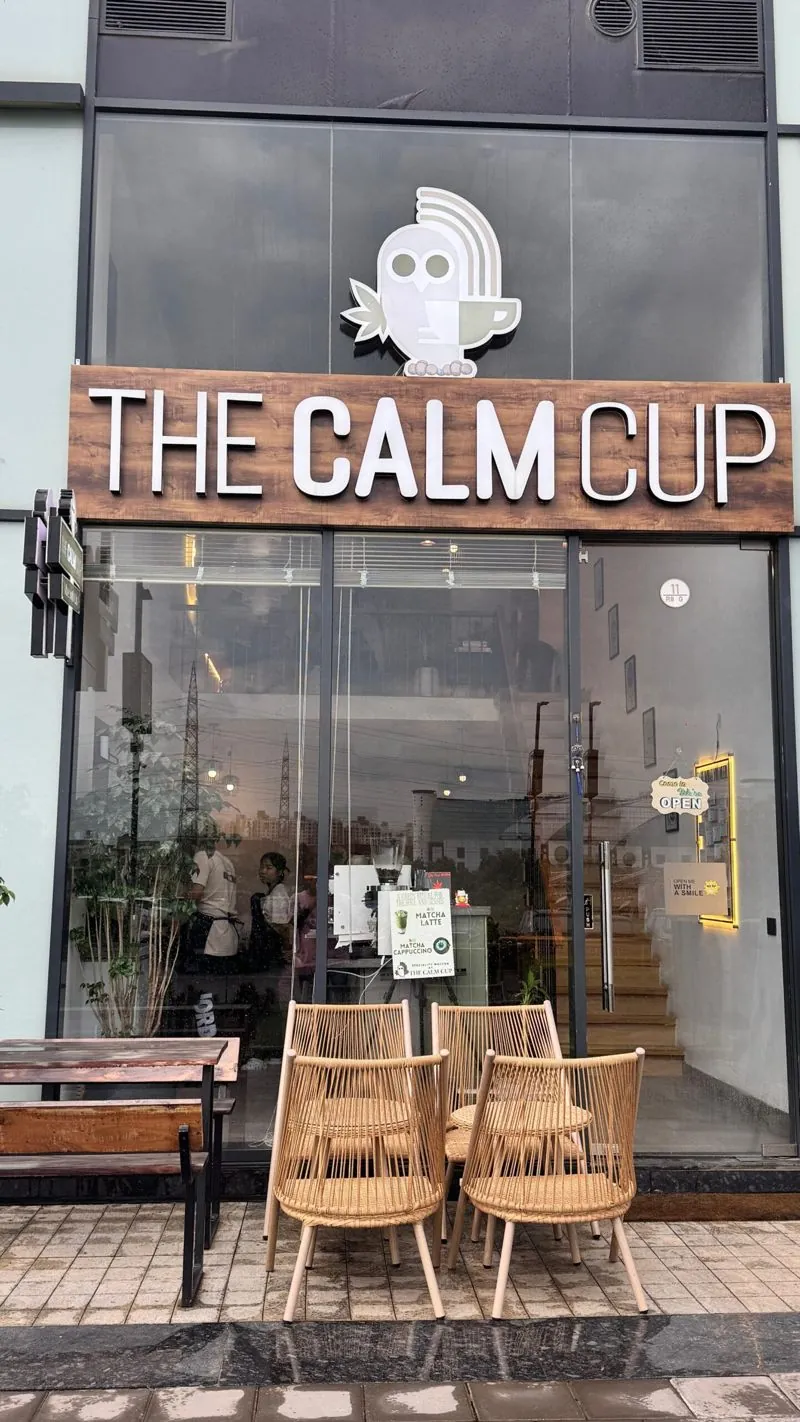
The location decides more about your café than the menu, the décor or the coffee machine. It decides who walks in, how often, and how much of every rupee goes to the landlord. Here's how we'd judge a site today.
Count the footfall yourself
Don't trust a broker's "very good footfall". Stand near the site with a notebook for half an hour at three times — morning, mid-afternoon and evening — on a weekday and a weekend. Count the people walking past, and note who they are.
- Office-goers want quick coffee in the morning and lunch at 1pm.
- Parents and families come mid-morning, after school and on weekends.
- Students and remote workers stay long and want Wi-Fi and plug points.
- Evening crowds want somewhere to sit, eat and linger.
If the people walking past aren't the people your café is for, the site isn't right — however busy it is.
Check what guests see and how they arrive
- Can you see the café from the road or the main walkway? Can you put up signage?
- Is there parking, or easy drop-off for cabs and two-wheelers?
- Is it on the side of the road people actually walk on, or across a divider?
- Are there other cafés nearby? A cluster can help — it means people come to the area for coffee — but price yourself and your concept carefully.
Work out the rent the site can carry
This is the step we got wrong. Estimate realistic daily guests from your footfall count, multiply by your expected average bill and the days you'll be open, and you have a rough monthly revenue. Most operators aim to keep rent to around 15–20% of that or less. If the asking rent is far above it, either negotiate hard or walk away. Ours was above half, and it closed us.
Read the lease before you love the space
- Rent-free fit-out period: ask for one or two months while you build.
- Escalation: how much does rent rise each year, and from when?
- Lock-in: how long are you committed if things go badly?
- Security deposit: often several months' rent, and it ties up cash you'll need.
- Permissions: is the property allowed to run a food business? Is there power load and water for a kitchen? Who handles the fire NOC?
Look beyond the high street
Some of the best café locations aren't on the high street at all. Society clubhouses, office lobbies, co-working spaces, stores and studios already have the people — and often much lower rent. That's where The Calm Cup is heading next.